Bathroom Wall Cabinets with Mirrors: Stylish Storage Solutions
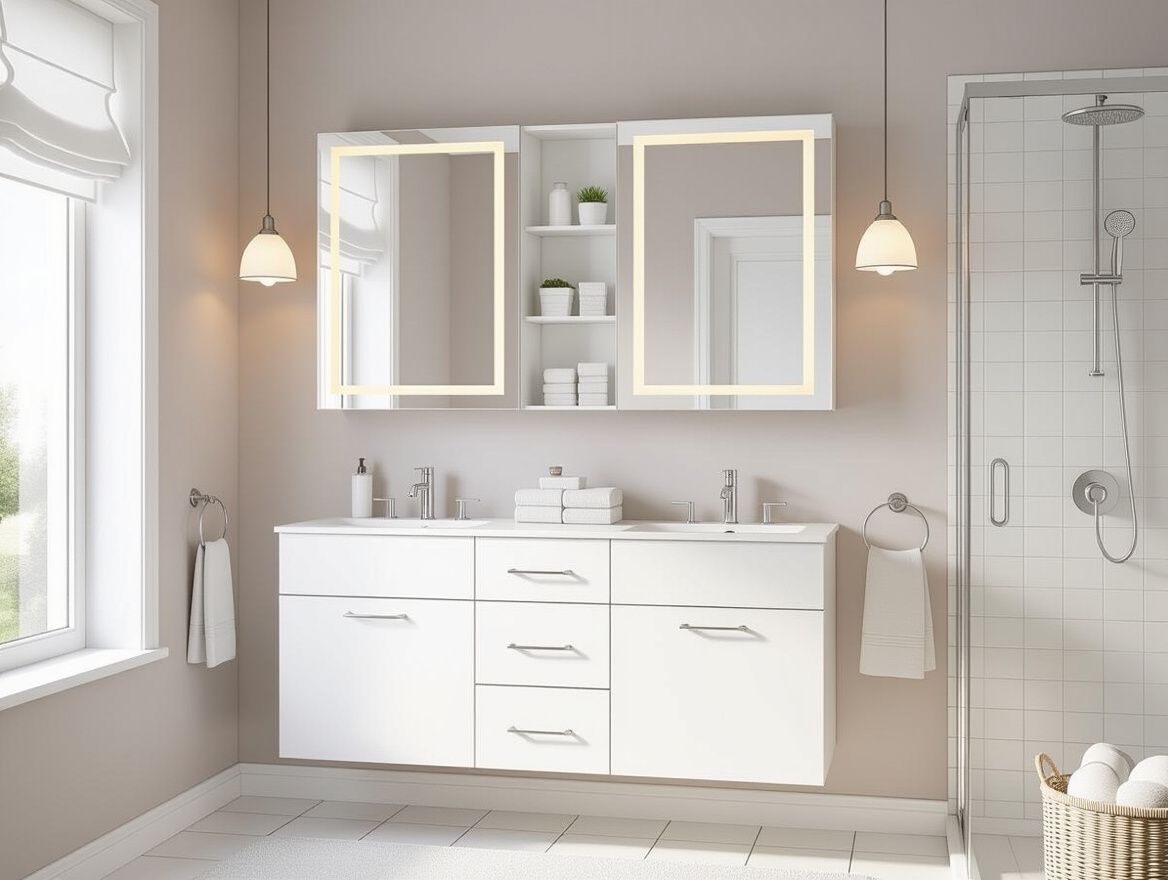
Find stylish bathroom wall cabinets with mirrors for effective storage and grooming, enhancing your bathroom's space and functionality.
Wall-Mounted Bathroom Cabinets with Mirrors: Style and Function
This guide is designed to demystify the selection and utilization of bathroom wall cabinets with mirrors. We'll navigate through the various options, from understanding their inherent benefits to meticulously choosing materials, styles, and features that align with your specific bathroom's needs and your personal aesthetic. By the end, you'll be equipped with the knowledge to make an informed decision that enhances both the practicality and visual appeal of your bathroom space.
Understanding the Appeal
A bathroom wall cabinet with a mirror is more than just a fixture; it's a dual-purpose essential that significantly elevates a bathroom's functionality and design. This seemingly simple combination offers a potent blend of practical storage and reflective surface, often unlocking a room's full potential. Hidden Insight: Combining a mirror and storage in one unit is a smart, space-saving strategy for any bathroom. The appeal lies in its ability to declutter countertops while simultaneously providing a necessary grooming area, all within a compact footprint. This solution can dramatically impact daily routines, offering convenient access to toiletries and a clear reflection for personal care, contributing to a more organized and streamlined start and end to the day. Aesthetically, a well-chosen mirrored cabinet can serve as a focal point, adding depth and light to even the smallest of bathrooms.
Space-Saving Ingenuity
The primary draw of a bathroom wall cabinet with mirror is its exceptional space-saving capability. By mounting storage vertically on the wall, it frees up valuable floor space, which is particularly beneficial in compact bathrooms or powder rooms. This vertical approach allows for generous storage without encroaching on the primary activity areas, ensuring a more comfortable and less cluttered environment.
Aesthetic Enhancement
Beyond its practical advantages, a mirrored cabinet is a powerful design element. The reflective surface of the mirror can make a bathroom feel larger and brighter by bouncing light around the room. Different cabinet styles, from minimalist modern designs to more ornate traditional pieces, can significantly influence the overall ambiance of the bathroom, acting as a stylish addition to the decor.
Daily Routine Optimization
The integration of a mirror directly above or adjacent to storage streamlines daily grooming and personal care routines. Having immediate access to essential items like toothbrushes, medications, or skincare products, combined with a clear view for tasks such as shaving or applying makeup, leads to a more efficient and less frustrating experience.
Types of Cabinets
When considering a bathroom wall cabinet with a mirror, two primary categories emerge: medicine cabinets and vanity storage cabinets. Each serves distinct purposes and offers unique features that cater to different needs.
Medicine Cabinets
Traditionally, medicine cabinets were designed for discreet storage of medications, first-aid supplies, and other small personal items. Modern medicine cabinets often retain this primary function but have evolved to incorporate more sophisticated designs, including integrated lighting and adjustable shelving. They are typically smaller and often recessed into the wall to provide a flush appearance.
Vanity Storage Cabinets
Vanity storage cabinets, while also featuring a mirror, tend to be larger and are often paired with a bathroom vanity unit. These cabinets offer more substantial storage for a wider array of toiletries, towels, and cleaning supplies. Their design is frequently more decorative, playing a more prominent role in the overall bathroom aesthetic, and they can be wall-mounted or integrated with a countertop.
Freestanding vs. Recessed
The choice between a freestanding and a recessed cabinet significantly impacts both the installation process and the visual outcome in your bathroom. Understanding these differences is key to selecting the best option for your space and renovation goals.
Freestanding Cabinets
Freestanding bathroom wall cabinets with mirrors are designed to be mounted directly onto the wall surface. Installation is generally simpler, often requiring basic tools and hardware. These cabinets lend themselves well to a variety of bathroom styles and can be a more accessible option for renters or those undertaking less invasive renovations. They offer a visible profile that can contribute to the room's decor.
- Pros: Easier installation, often more affordable, versatile placement options, can be removed more easily for moving or updates.
- Cons: Can appear bulkier as they protrude from the wall, may not offer as seamless an integrated look.
- Best Suited For: Renters, DIY enthusiasts, quick bathroom upgrades, or when wall modification is not feasible.
Recessed Cabinets
Recessed cabinets are designed to be installed within a framed opening in the wall, creating a flush, built-in appearance. This installation method requires more significant modification to the wall structure, typically involving cutting into the drywall and framing an opening. The result is a sleek, integrated look that maximizes usable space by not protruding into the room.
- Pros: Creates a streamlined, high-end look, saves wall space as it doesn't protrude, can make a bathroom feel more spacious.
- Cons: More complex and costly installation, requires wall modification, less flexibility in positioning once installed.
- Best Suited For: New builds, major bathroom renovations, homeowners seeking a custom, integrated look, or when optimizing every inch of space is critical.
Cabinet Styles and Materials
The aesthetic of your bathroom wall cabinet with mirror can be dramatically influenced by its style and the materials used in its construction. Selecting the right combination can either blend seamlessly with your existing decor or serve as a striking centerpiece.
Cabinet Styles
- Modern: Characterized by clean lines, minimalist hardware, and often a sleek, flat-front design. These cabinets typically feature simple, uncluttered forms in neutral colors, glossy finishes, or natural wood grains. They are ideal for contemporary bathrooms seeking a sophisticated yet understated look.
- Traditional: Often features decorative moldings, raised panel doors, and more ornate hardware. These styles evoke a classic, timeless feel and are well-suited for bathrooms aiming for a more formal or vintage aesthetic.
- Transitional/Industrial: This style bridges the gap between modern and traditional, incorporating elements of both. It might feature a mix of clean lines with subtle detailing, or utilize materials like metal and distressed wood for an edgier, more utilitarian feel. Industrial styles often emphasize raw materials and a functional, robust appearance.
Materials
- Wood: Solid wood cabinets offer natural beauty, durability, and a premium feel. Different wood types, such as oak, maple, or cherry, can offer varied grain patterns and color tones. Wood is susceptible to moisture damage if not properly sealed and maintained, making it crucial to select options treated for bathroom environments.
- MDF/Particle Board with Veneer or Laminate: Medium-Density Fiberboard (MDF) and particle board are common alternatives to solid wood, often finished with a veneer or laminate that mimics the look of real wood or offers a consistent color. These materials can be more budget-friendly and are generally stable, though they may not offer the same longevity as solid wood, especially in high-moisture areas.
- Metal: Metal cabinets, often made from aluminum, stainless steel, or coated steel, are known for their durability, water resistance, and modern or industrial aesthetic. They are robust and relatively easy to clean, making them a practical choice for humid environments.
Mirror Quality
The quality of the mirror itself is also a consideration. Look for automotive-grade or enhanced mirrors that resist tarnishing and degradation over time, especially in humid bathroom conditions. The clarity and reflectivity of the mirror will directly impact its effectiveness and the overall look of the cabinet.
Key Features
When selecting a bathroom wall cabinet with a mirror, several key features warrant careful consideration to ensure it meets your storage needs, fits your space, and enhances your bathroom's functionality.
Size and Dimensions
Crucially, measure your available wall space thoroughly before you begin shopping. Consider not only the width and height but also the depth of the cabinet, ensuring it doesn't impede movement or clash with other fixtures. The scale of the cabinet should be appropriate for the overall size of your bathroom; a massive cabinet in a tiny room can feel overwhelming, while a minuscule one in a large space may look lost.
Storage Capacity
Evaluate your storage requirements. Do you need space for a few essentials or a larger collection of toiletries, cleaning supplies, and extra towels? Look at the interior configuration, including the number and adjustability of shelves. Some cabinets offer specialized compartments or drawers for smaller items.
Mirror Quality and Type
As mentioned, the quality of the mirror is paramount for longevity and clarity. Consider the mirror's placement as well – is it the primary mirror, or an addition to an existing vanity mirror setup? Some cabinets offer mirrored doors on both sides for added convenience.
Door Operation and Mechanism
Doors can operate in various ways: standard side-swinging, bi-fold, or sliding. Soft-close hinges are a desirable feature that prevents doors from slamming, adding a touch of luxury and preventing damage. Consider the swing direction to ensure it doesn't interfere with other bathroom elements like a door or shower.
Lighting (If Applicable)
Some bathroom wall cabinets with mirrors come with integrated lighting, such as LED strips or vanity lights. This can be a significant convenience, providing task lighting for grooming directly from the cabinet. Consider the type of lighting (e.g., warm or cool), its brightness, and how it integrates with your existing bathroom lighting scheme.
Mounting Hardware
Ensure the cabinet comes with appropriate and sturdy mounting hardware. The type of wall (e.g., drywall, tile) will influence the exact fasteners needed, and it's always wise to confirm the cabinet's weight capacity and ensure it is securely anchored.
Styling Your Bathroom
A bathroom wall cabinet with a mirror is a versatile design element that can be used strategically to enhance your bathroom's visual appeal and perceived spaciousness. Thoughtful styling can transform a purely functional item into a key component of your bathroom's overall aesthetic.
Creating a Focal Point
A uniquely designed or particularly striking bathroom wall cabinet with mirror can serve as the room's primary focal point. Consider a cabinet with an interesting frame, unique finish, or integrated lighting to draw the eye. It can anchor the vanity area and set the tone for the rest of the room's decor.
Balancing Other Elements
The presence of a mirrored cabinet can help balance other elements in the bathroom. For instance, in a room with a lot of strong colors or heavy fixtures, a sleek, reflective cabinet can provide visual relief. Conversely, in a minimalist bathroom, a cabinet with a wood grain or subtle detailing can add warmth and texture. The reflective surface can also help to visually "lighten" a wall that might otherwise feel heavy.
Enhancing Perception of Space and Depth
The reflective quality of the mirror is its most significant asset for space enhancement. By reflecting light and views from across the room, it creates an illusion of greater depth and breadth, making even small bathrooms feel more open and airy. This is particularly effective when the mirror reflects a window or a light source.
Placement and Practical Considerations
The placement of your bathroom wall cabinet with mirror involves both aesthetic considerations and practical necessities, particularly concerning utilities. Careful planning ensures both functionality and safety.
Optimal Placement Options
- Above the Sink: This is the most common and practical location, providing direct access to the mirror for grooming and immediate reach to stored essentials. Ensure the height is comfortable for all users.
- Adjacent to the Sink: If the space above the sink is occupied by a window or other fixture, placing the cabinet to the side can still offer convenient access.
- Alcoves or Niches: If your bathroom has built-in alcoves, a cabinet designed to fit these spaces can create a custom, integrated look that maximizes usability.
Electrical and Plumbing Considerations
Any bathroom wall cabinet with a mirror that includes integrated lighting will require an electrical connection. This typically means the cabinet needs to be installed near an existing power source, or wiring may need to be run through the wall. It’s often advisable to consult with a qualified electrician for safe installation. Similarly, if the cabinet is being placed near plumbing fixtures, care must be taken to avoid obstructing pipes or access panels. If you are considering a recessed cabinet, plumbing and electrical lines within the wall will need to be identified and potentially rerouted to accommodate the opening. Always check local building codes and ensure all installations comply with safety standards.
Maintenance and Care
Proper maintenance will ensure your bathroom wall cabinet with mirror remains functional and attractive for years to come. Different materials require specific care to prevent damage, especially in the moisture-rich environment of a bathroom.
Mirror Cleaning
For the mirror surface, a standard glass cleaner and a soft, lint-free cloth are usually sufficient. Spray the cleaner onto the cloth, not directly onto the mirror, to prevent liquid from seeping into the cabinet edges. For stubborn spots, a solution of equal parts white vinegar and water can be effective. Avoid abrasive cleaners or scouring pads, which can scratch the glass.
Cabinet Body Care
- Wood: For solid wood or wood veneer cabinets, use a damp cloth for dusting and cleaning. Avoid excessive moisture. Periodically, you may want to use a wood polish specifically designed for sealed furniture to maintain its finish.
- MDF/Particle Board: These materials are best cleaned with a slightly damp cloth. Wipe up any spills immediately, as MDF and particle board can swell and be damaged by prolonged exposure to water. Avoid harsh chemicals.
- Metal: Metal cabinets can typically be cleaned with a damp cloth and a mild soap. For stainless steel, use a cleaner specifically designed for stainless steel to prevent streaks and maintain its shine.
Moisture Protection
Ensure good ventilation in your bathroom to minimize humidity, which is the primary enemy of bathroom cabinetry. Wipe down any condensation that forms on the cabinet or mirror. If your cabinet has exposed wood edges or unsealed areas, consider applying a moisture-resistant sealant for added protection.
Frequently Asked Questions
Q1: Can a bathroom wall cabinet with a mirror be installed over a toilet? A: While it is technically possible, it is not generally recommended due to potential safety hazards and accessibility issues. Ensure there is adequate clearance and accessibility for both the cabinet and its contents.
Q2: What is the average lifespan of a bathroom wall cabinet with a mirror? A: The lifespan can vary significantly depending on the quality of materials, construction, and maintenance. High-quality units made from solid wood with good sealing and regular care can last 15-20 years or more, while lower-quality options might have a shorter functional life, often around 5-10 years, especially if exposed to high moisture.
Q3: Are recessed cabinets more expensive than surface-mounted ones? A: Yes, recessed cabinets generally incur higher costs due to the more complex installation process, which may require professional labor and alterations to the wall structure.
Q4: How do I choose the right size cabinet for my bathroom? A: Measure your available wall space, considering the height from the countertop and any surrounding fixtures. Think about the amount of storage you need. It's often best to hold back from overwhelming a small space with a cabinet that is too large, and vice versa.
Common Mistakes to Avoid
When selecting and installing a bathroom wall cabinet with a mirror, several common pitfalls can lead to dissatisfaction or functional issues. Being aware of these mistakes can help you make a more informed purchase and installation decision.
- Ignoring Wall Structure: Failing to check for studs or understand your wall type before mounting a cabinet can lead to insecure installation and potential damage. Always use appropriate anchors for your wall material and ensure the cabinet is securely fastened.
- Overlooking Measurement Details: Not accurately measuring the available space, including clearance for doors or nearby fixtures, can result in a cabinet that is too large, too small, or obstructs daily use. Double and triple-check all dimensions.
- Underestimating Moisture Impact: Many bathrooms have high humidity. Choosing materials not designed for moist environments or failing to seal wood properly can lead to warping, swelling, or mold growth over time.
- Disregarding Lighting Needs: If the cabinet has integrated lighting, ensure it's sufficient for your needs and compatible with your bathroom's existing electrical setup. If not, consider if you'll need separate task lighting.
- Chasing Trends Over Timelessness: While on-trend designs can be appealing, a bathroom cabinet is a significant investment. Opting for a style that is too specialized or trendy might become dated quickly, whereas a more classic design offers lasting appeal.
- Forgetting Accessibility: Ensure the cabinet and its contents are easily accessible for all intended users. Very high or low mounting, or doors that swing inconveniently, can be a daily frustration.